Our story
Two people, one popcorn machine.
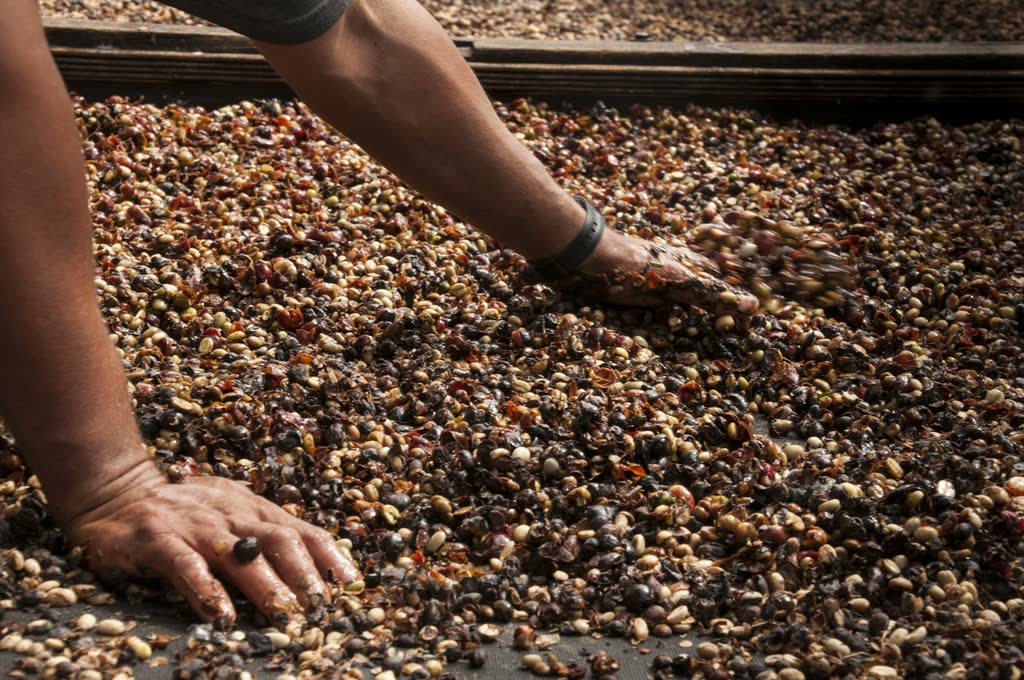
Nadia grew up on her grandmother's coffee farm outside Pitalito. Theo was a chemistry teacher with a garage and too much curiosity. In 2016 they roasted a kilo of Huila in a popcorn popper, burnt half of it, and were hooked by the other half.
Ten years on, Terra Roast is still just a handful of people, a roaster named Beatrice, and the belief that coffee should be roasted slowly and paid for fairly.
“We don't roast to a profile. We roast to the cup we tasted at the farm, and we keep adjusting until we get back there.”
The first café order came in 2017: five kilos a week to a bakery two streets away. The bakery closed in 2018 and sold them its roaster for the price of a used car.
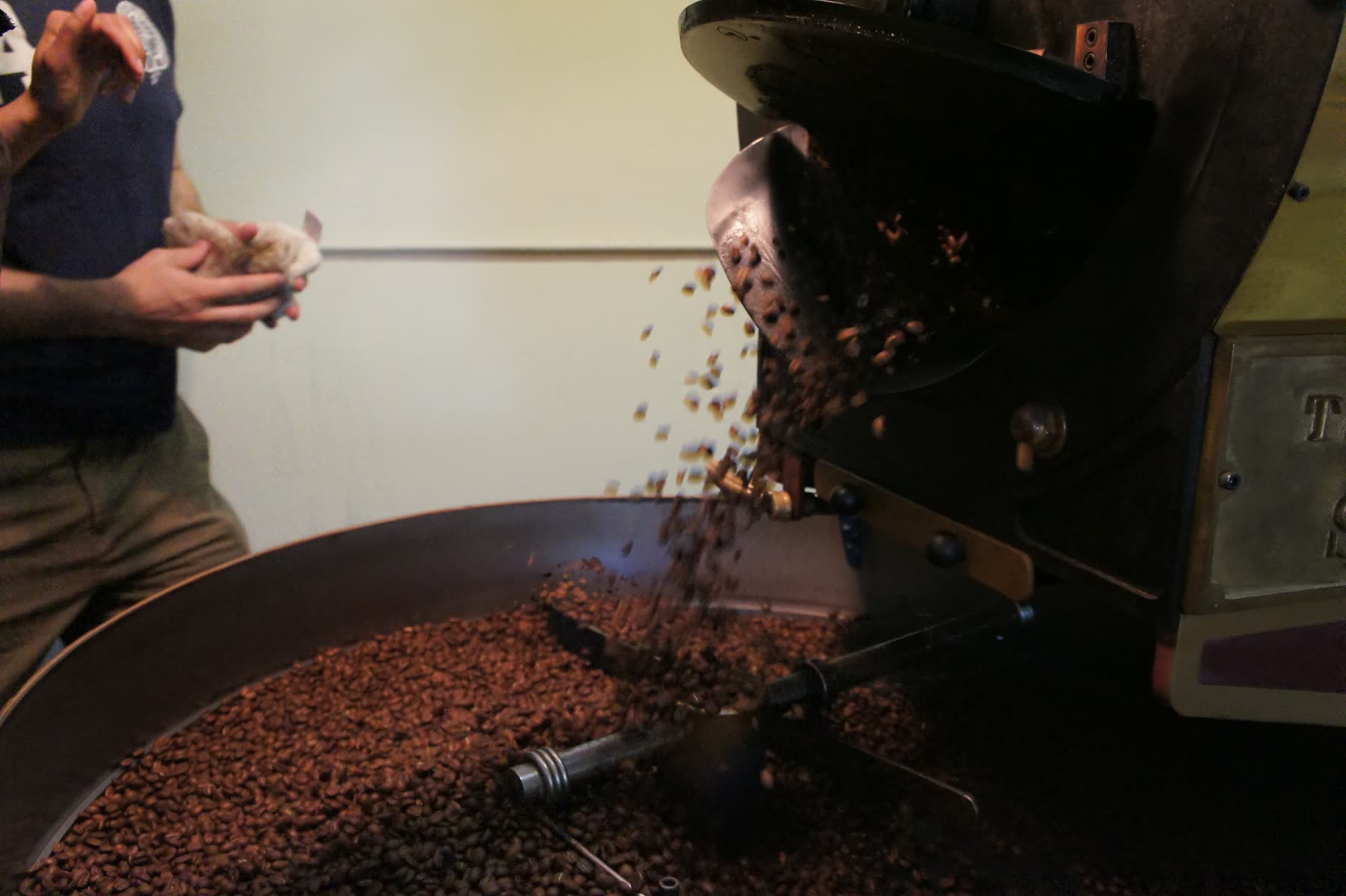
Beatrice, as she was quickly named, is a 12kg drum roaster from the eighties. She is slow, temperamental and produces the sweetest coffee any of us have ever tasted.
“Roast slow enough and the coffee tells you when it's done.”
2016 → 2026
A decade, slowly
Swipe to see the whole decade →
Our roastery
A glasshouse by the river
In 2024 we moved Beatrice into a former plant nursery on the edge of town. Skylights run the length of the roof, so the cupping table is lit by daylight and the roast floor smells faintly of tomato vines in summer.
The orchard out front supplies the apples for staff crumble, the chaff from the roaster goes to the farm next door, and the cupping lab is open to anyone every Thursday at ten.
Learn how we brew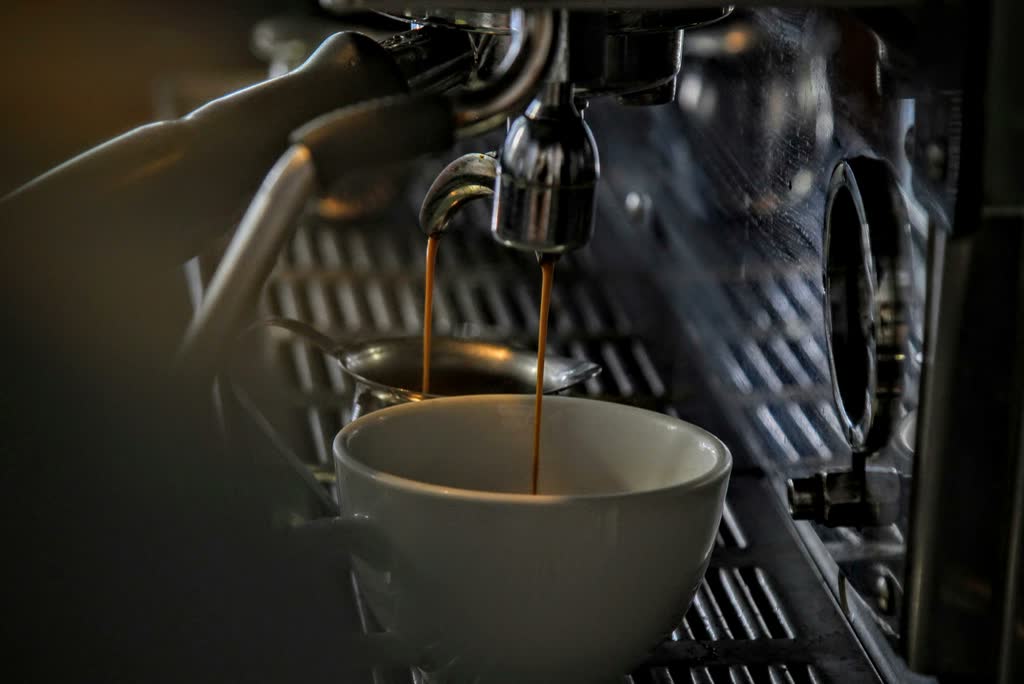
What we stand on
Transparent pricing
We publish what we pay per kilo for every lot, and it is always above the market rate.
Roast to order
No warehouse of stale beans. Your bag is roasted the week you order it.
Zero-landfill roastery
Chaff goes to a local farm, jute sacks to a maker's collective, and our bags are recyclable.
Open cupping table
Every Thursday at 10am, anyone can pull up a spoon and taste with the roasters.